
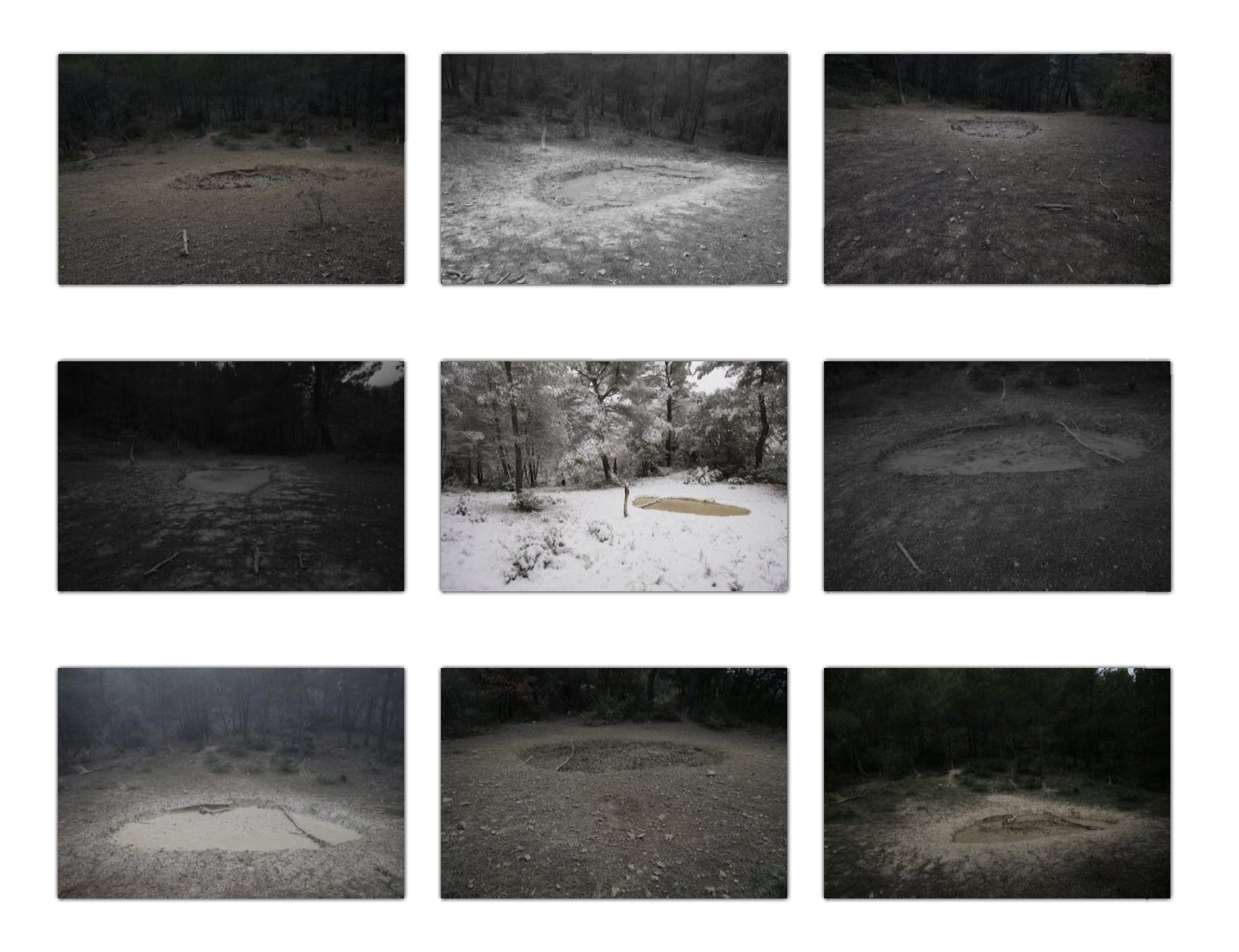
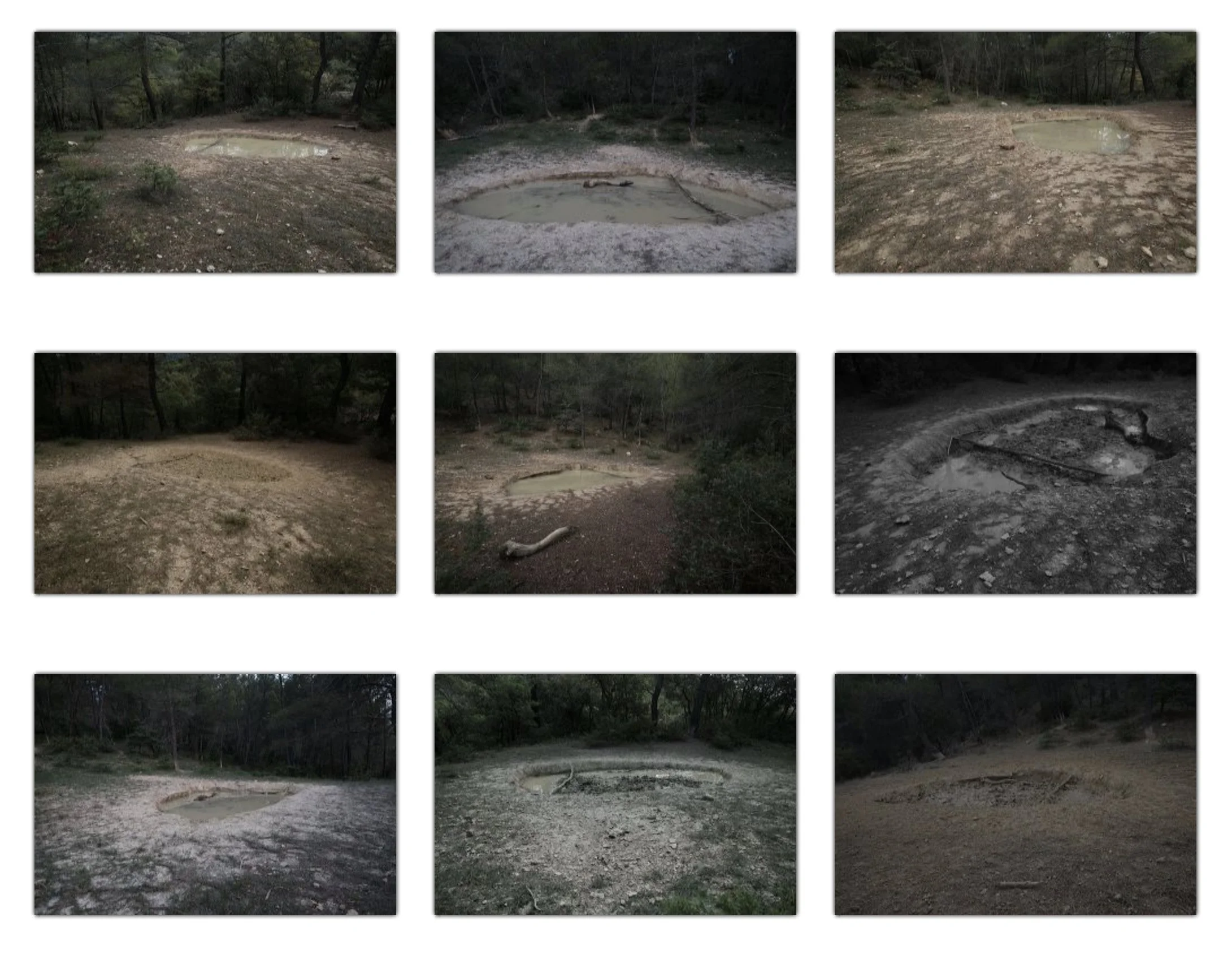
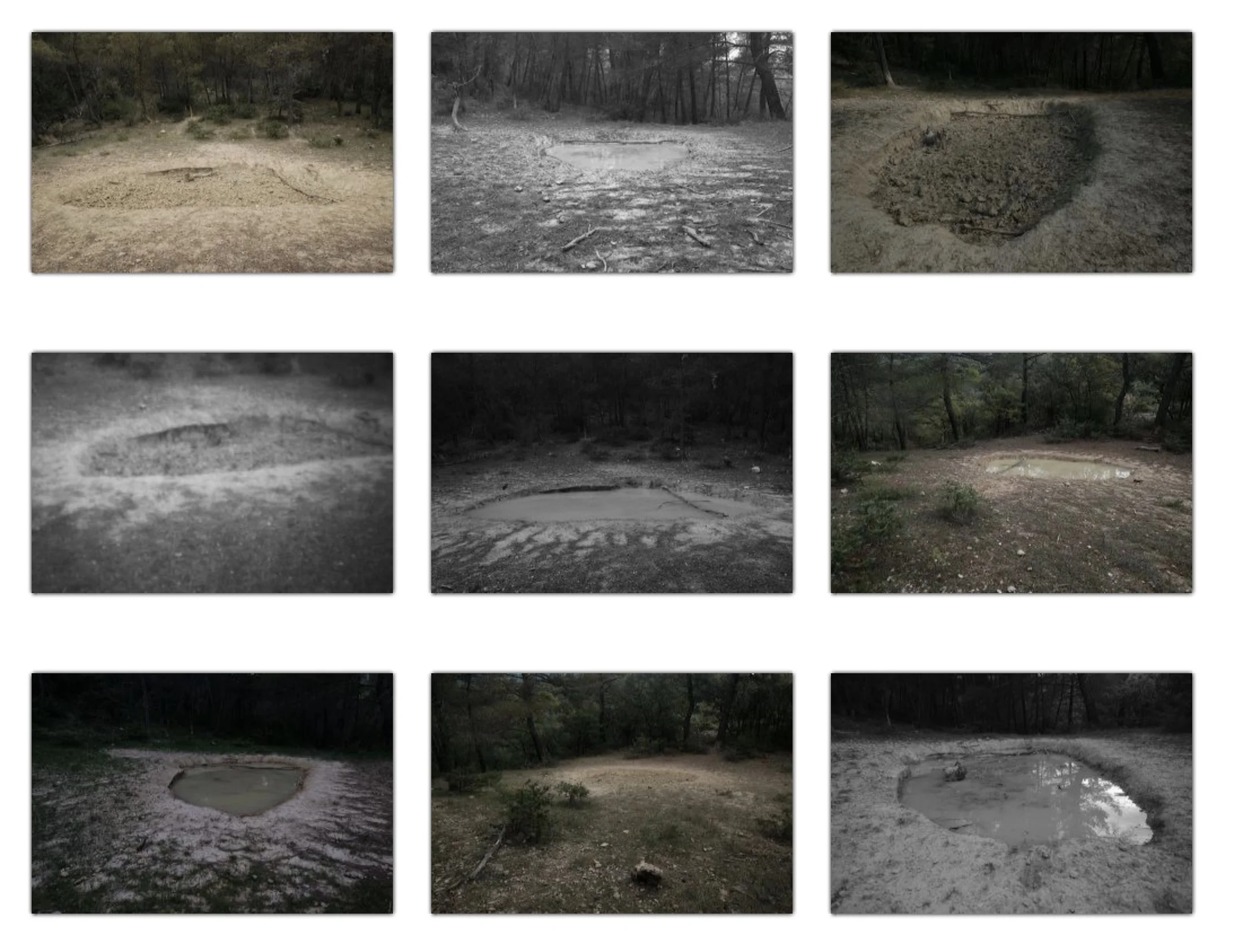
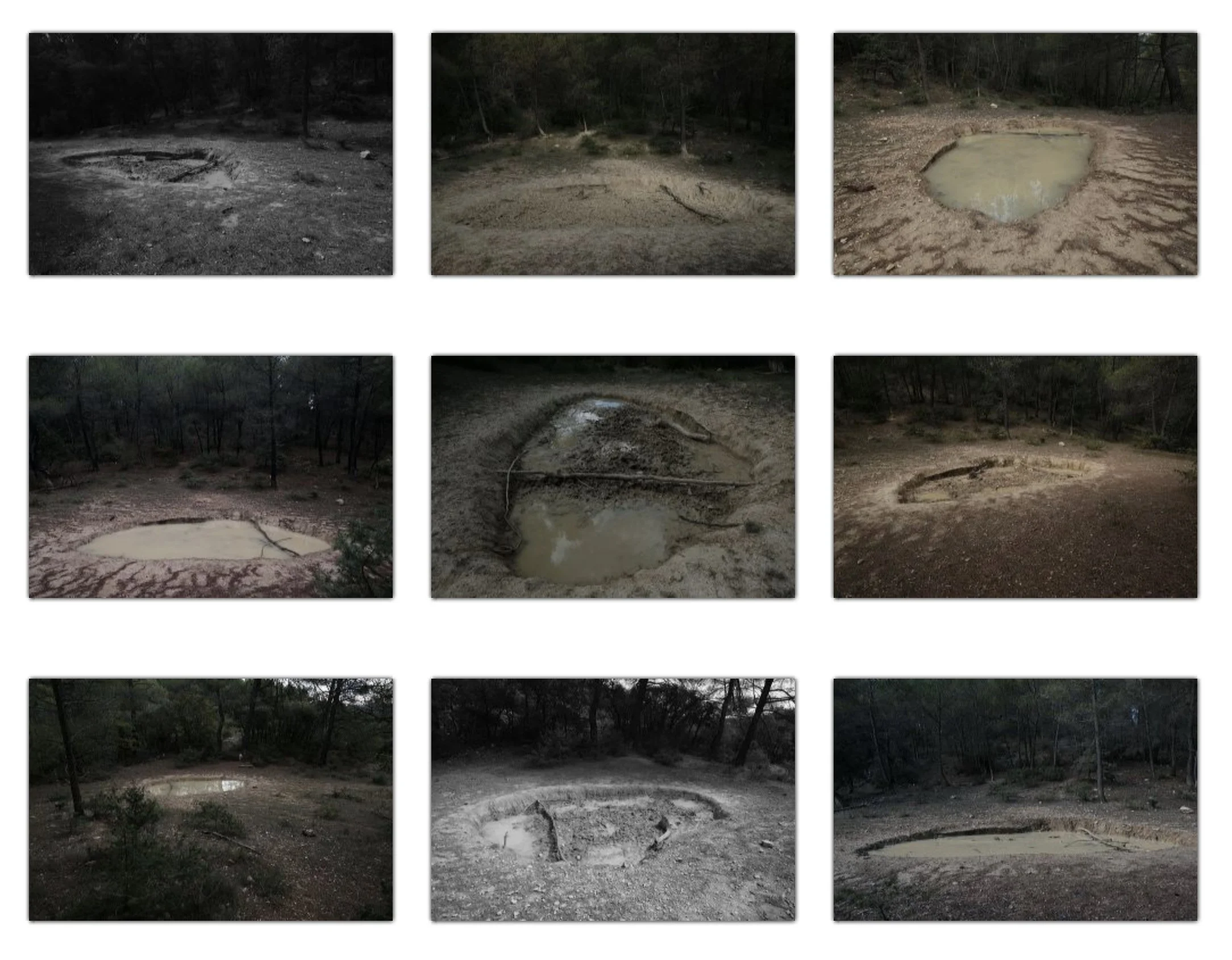
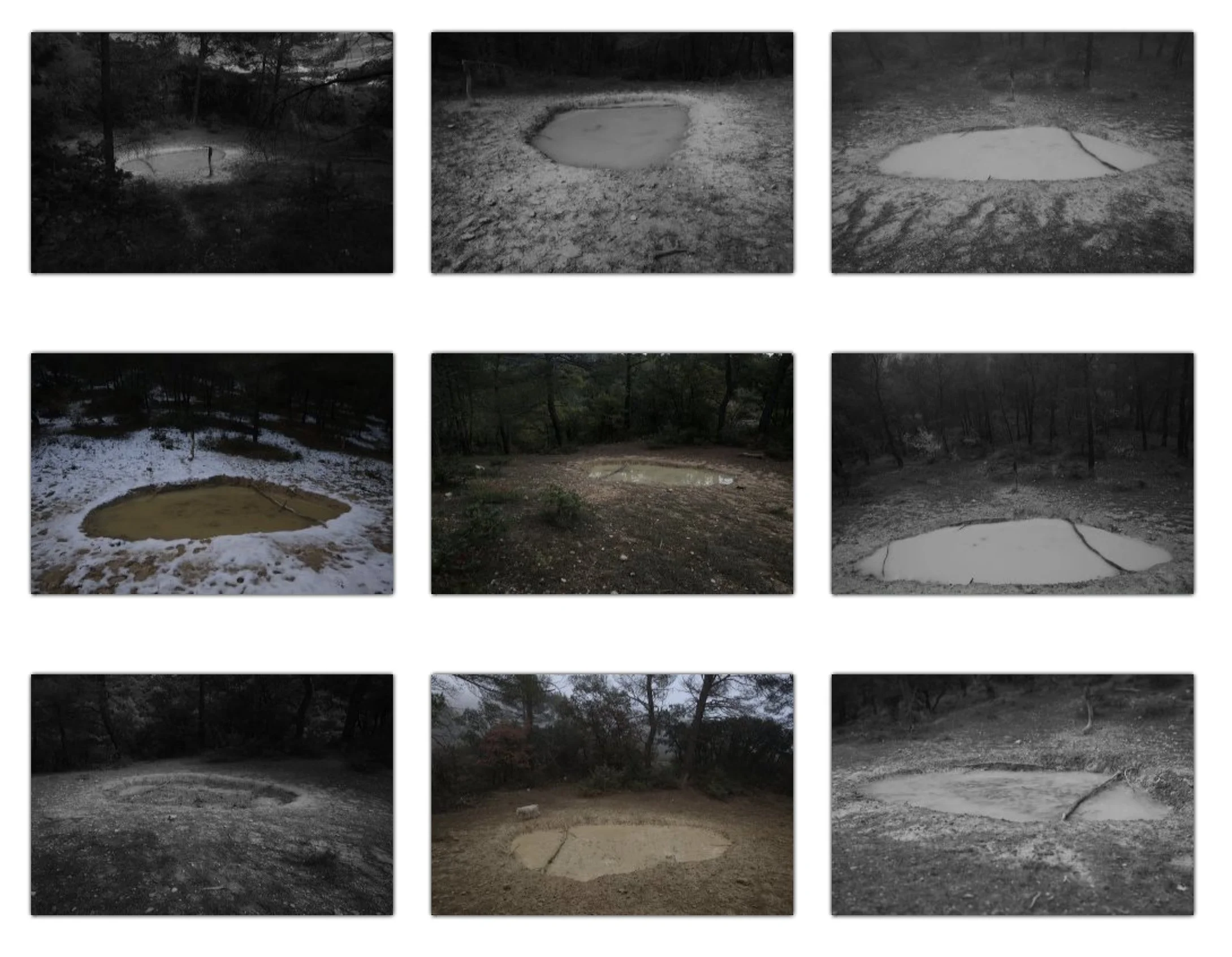
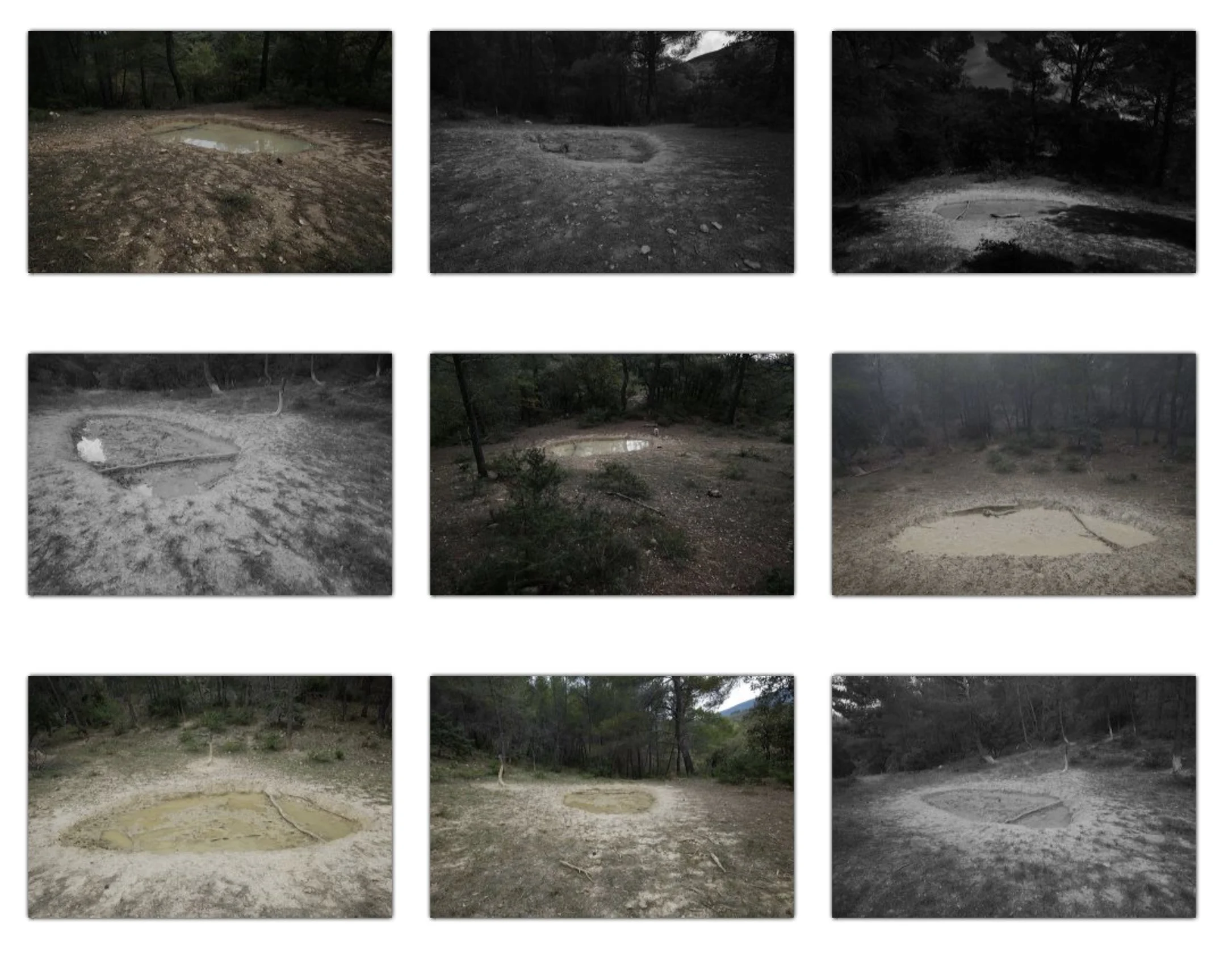
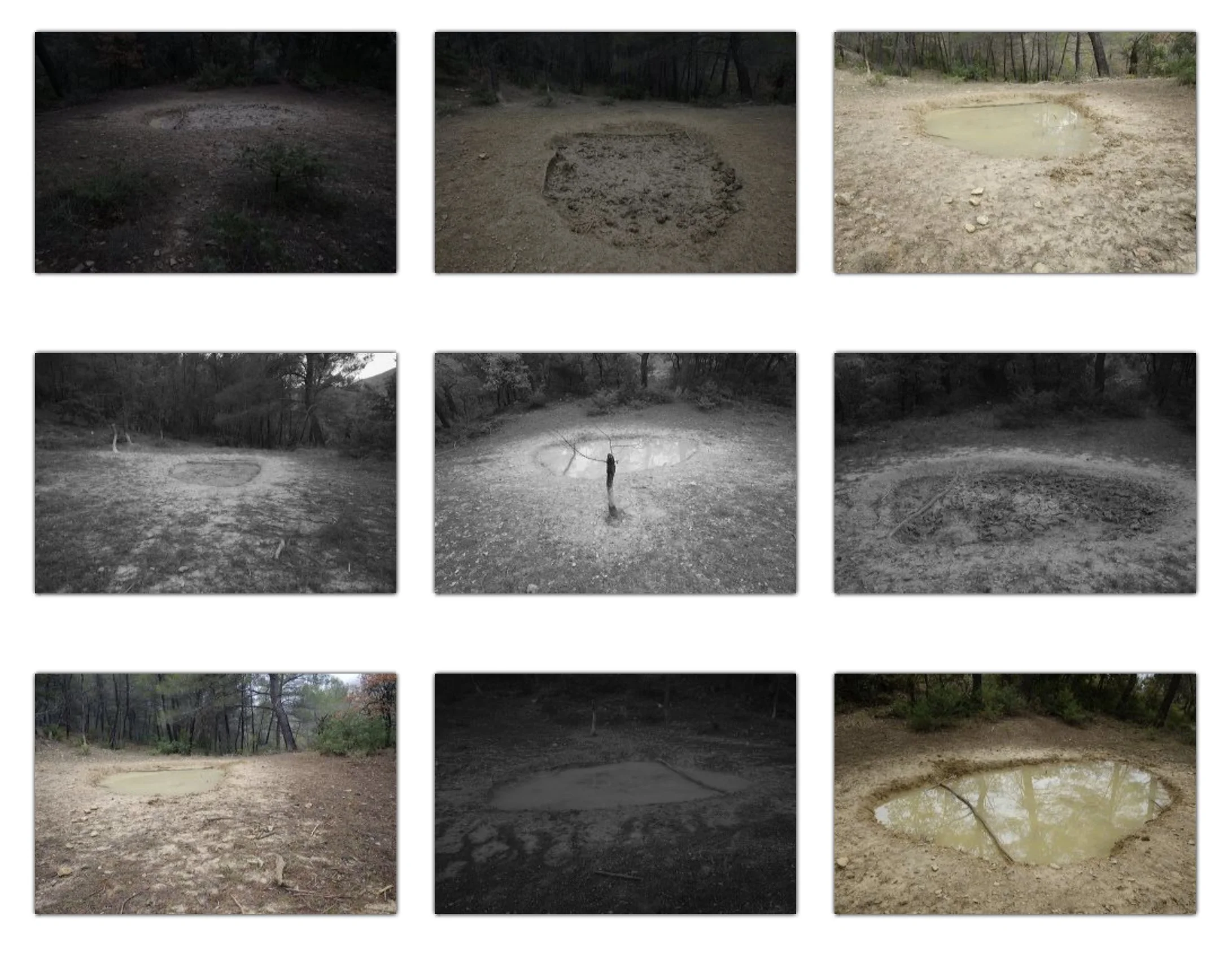
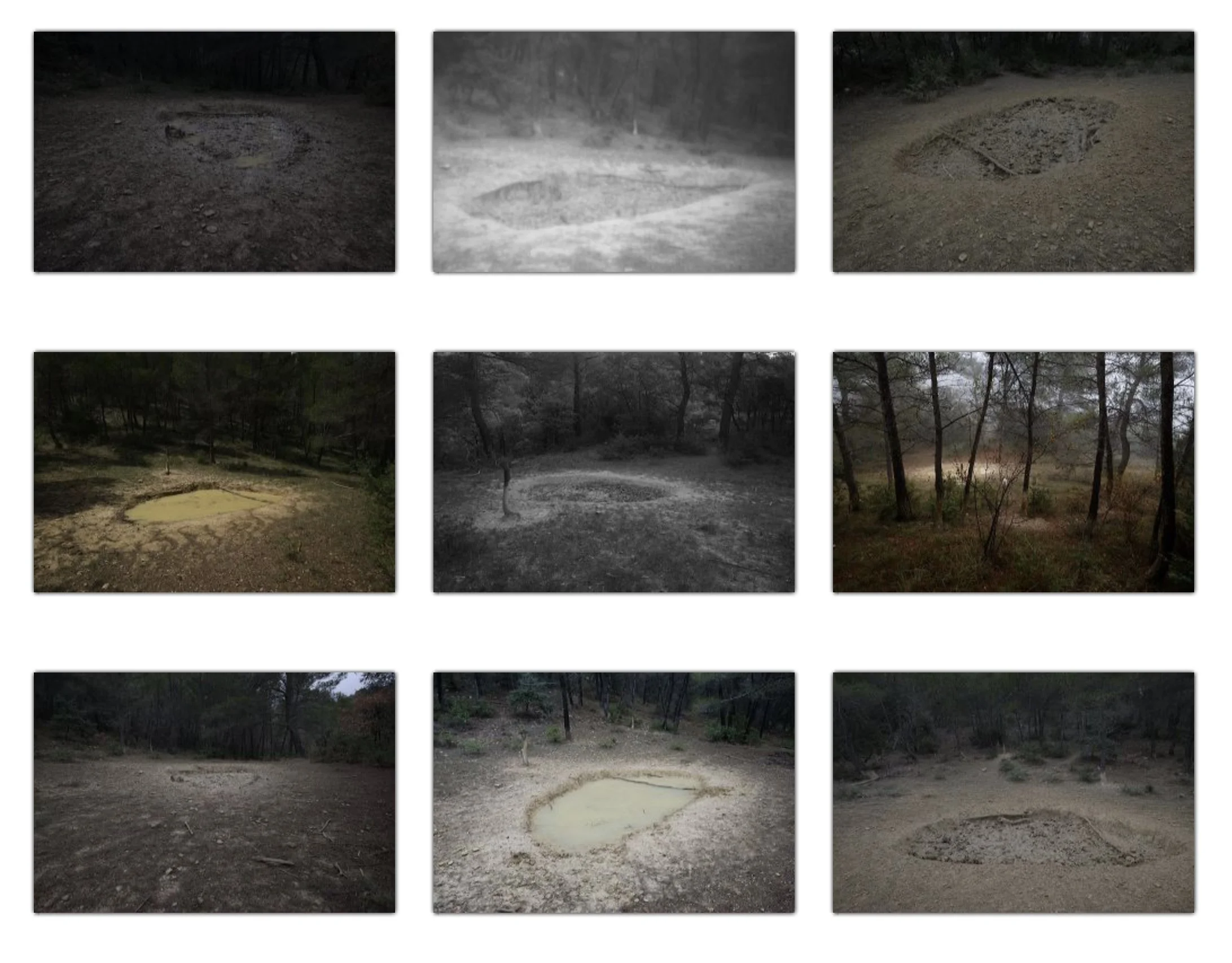
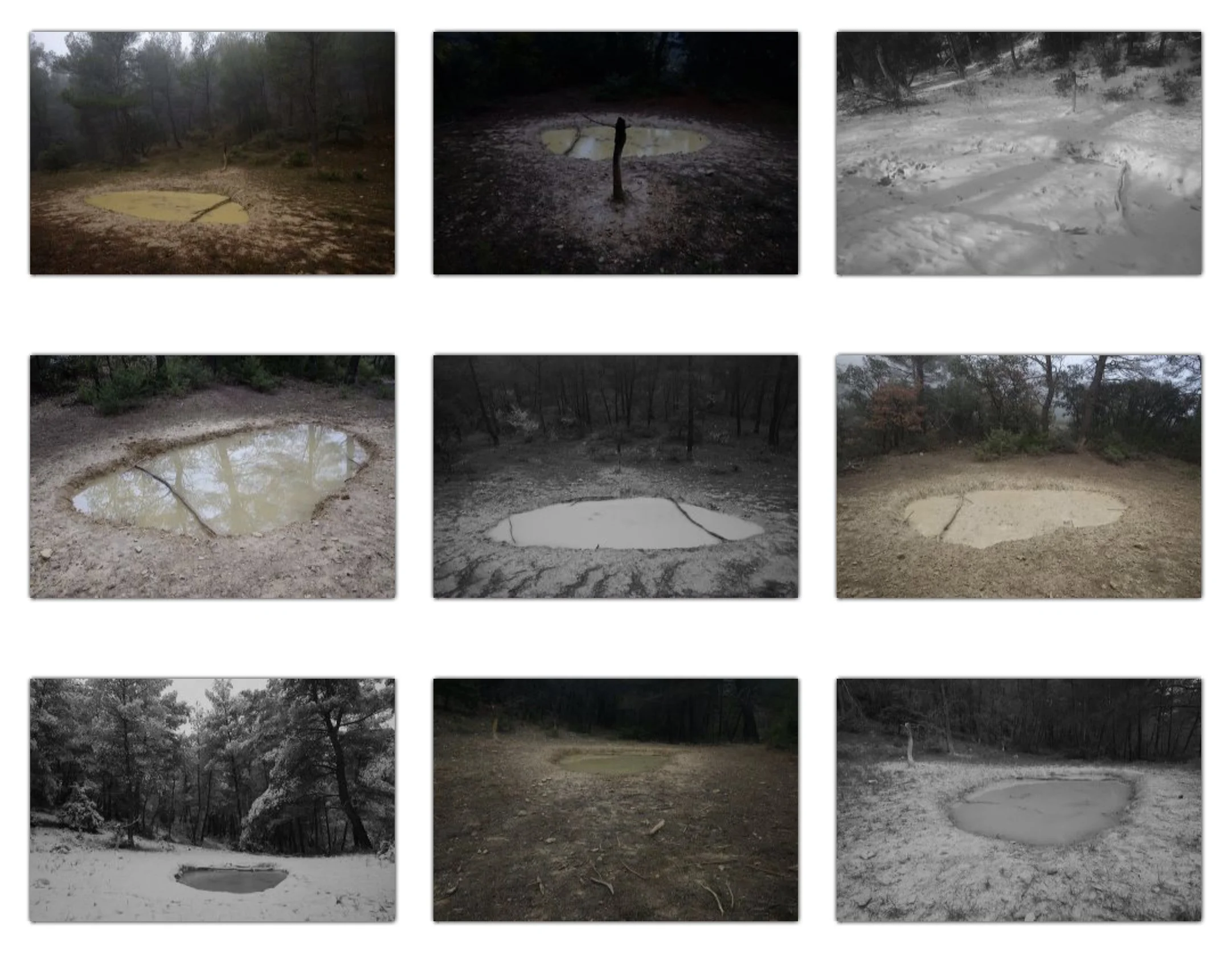
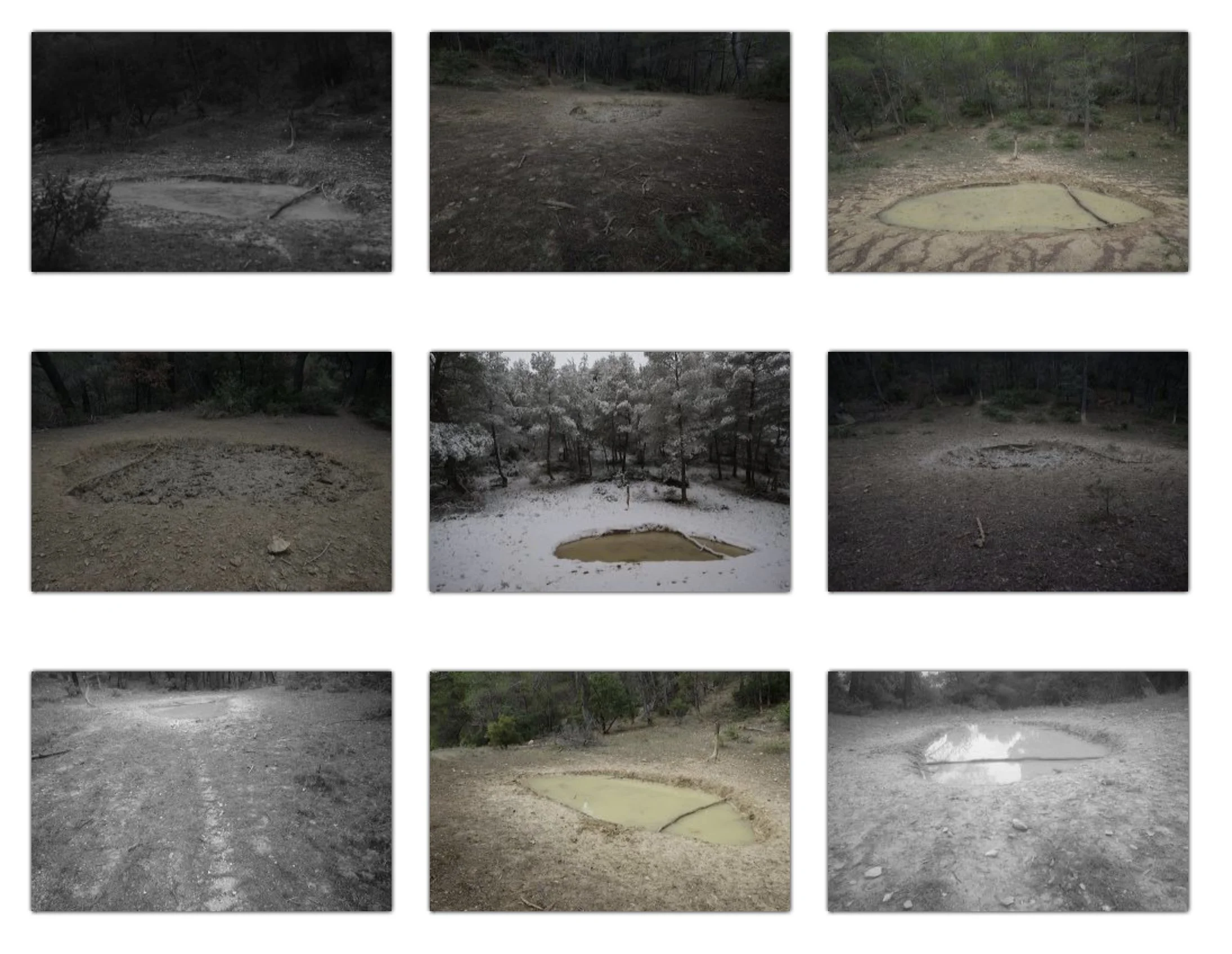
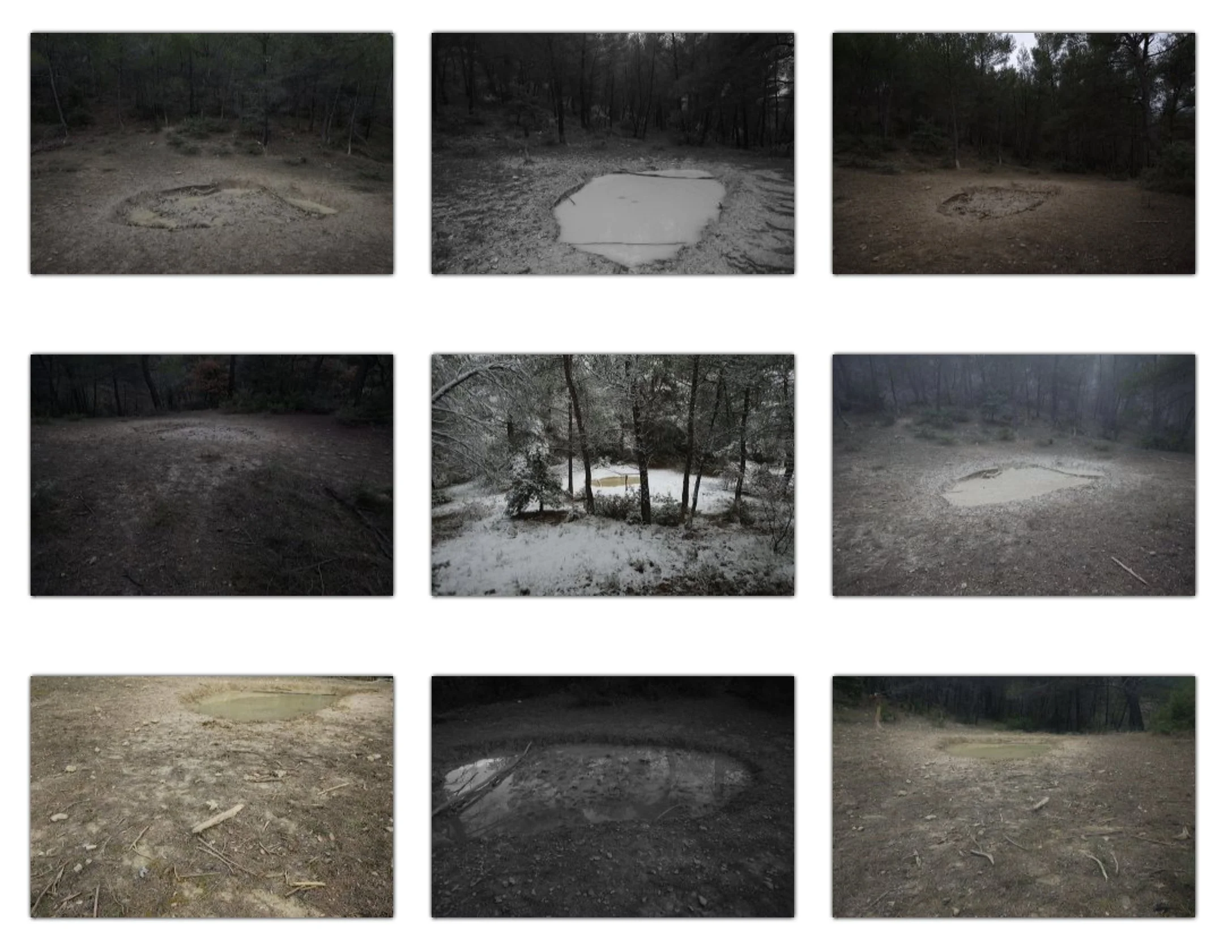
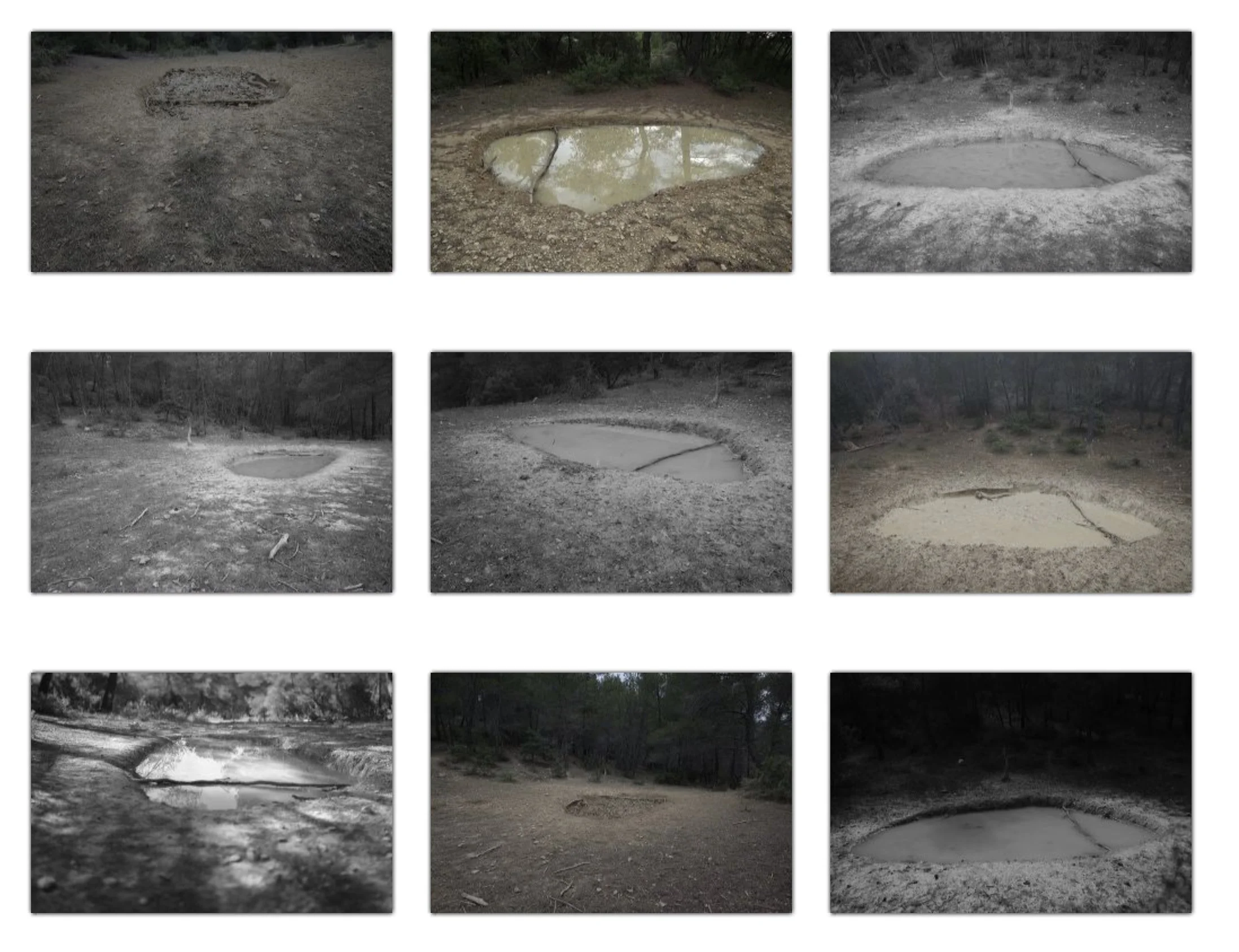
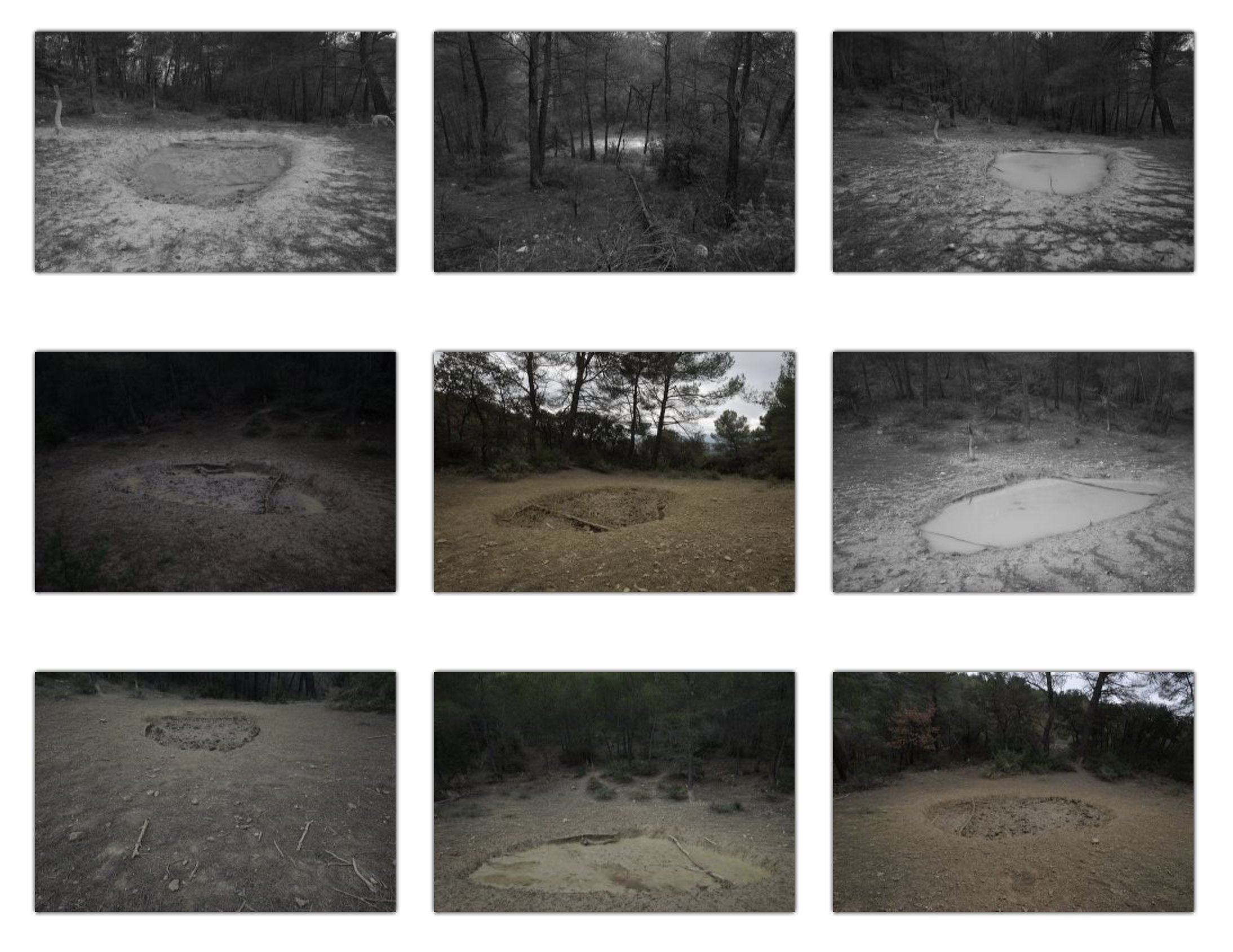
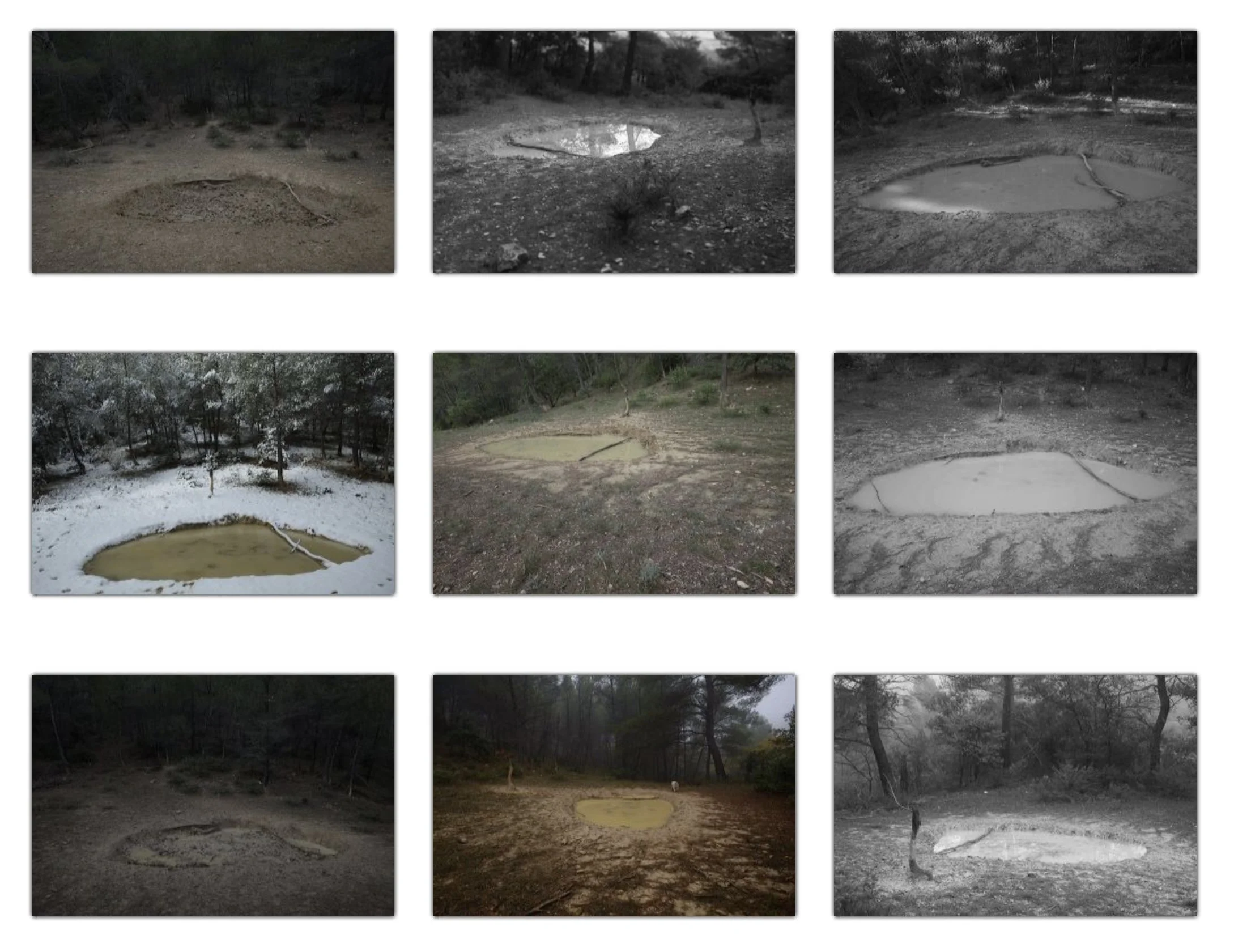
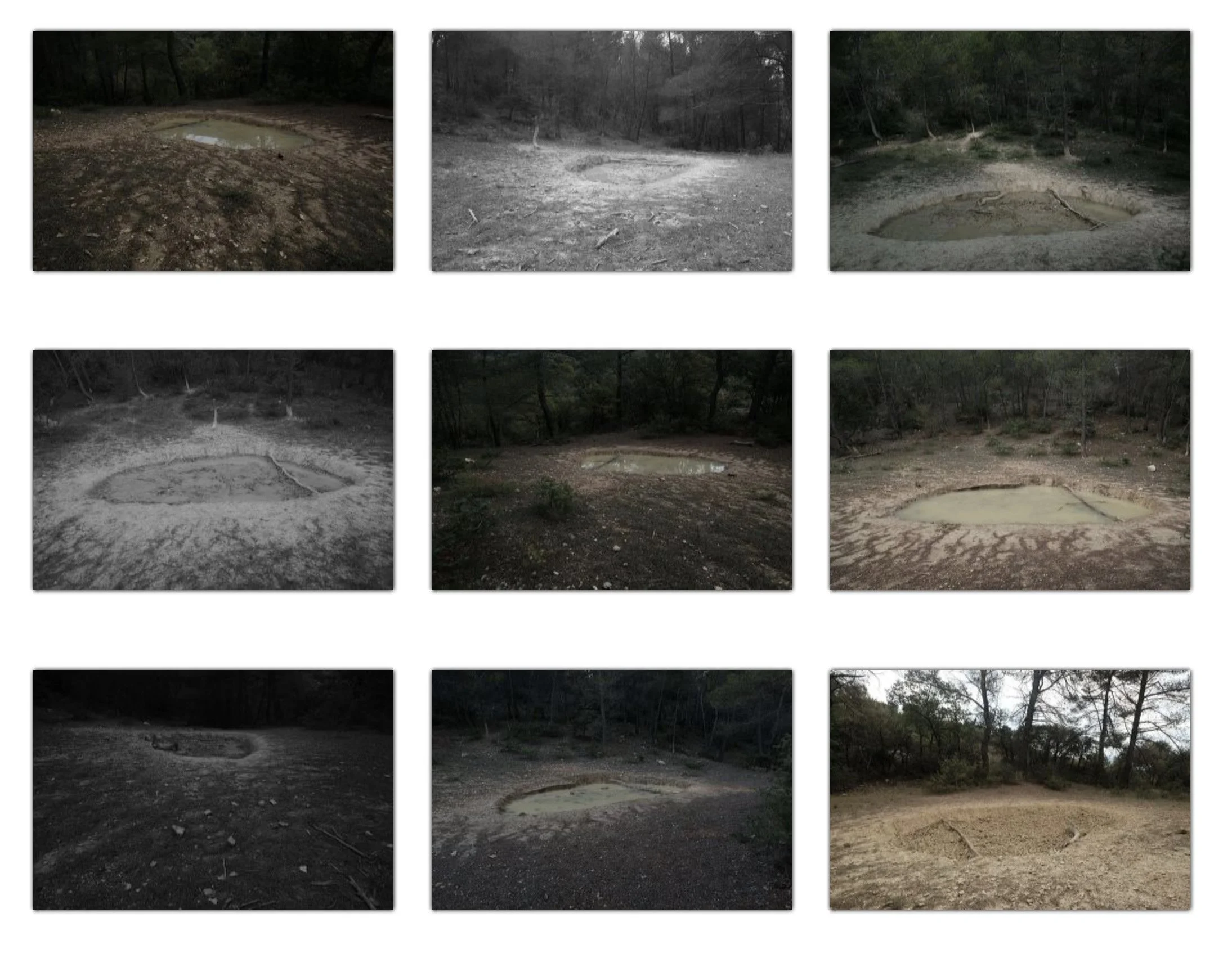
the clearing
Key Psychological Dimensions of Landscape:
1. Inner Topography
- Mountains can represent challenges, obstacles, or personal growth journeys
- Valleys symbolize periods of introspection or temporary setbacks
- Plateaus might indicate stagnation or periods of psychological stabilization
- Winding paths represent life's uncertain trajectories and personal transformation
2. Emotional Terrain
- Landscapes can represent emotional states through their characteristics
- A barren desert might symbolize loneliness or emotional desolation
- Lush, verdant forests could represent abundance, growth, or emotional complexity
- Stormy seas might reflect inner turbulence or psychological struggle
3. Archetypal Symbolism
- Different landscapes trigger universal psychological archetypes
- Forests often symbolize the unconscious, with hidden depths and unknown potentials
- Oceans represent the vast, mysterious realm of the subconscious mind
- Deserts can signify spiritual trials, personal purification, and existential reflection
4. Emotional Resonance
- Individual psychological states profoundly influence landscape perception
- A depressed person might see a landscape as gray and oppressive
- Someone experiencing joy might perceive the same environment as vibrant and alive
- Landscapes become projective surfaces for internal emotional landscapes
5. Transitional Spaces
- Landscapes serve as metaphorical thresholds between psychological states
- Boundaries like shorelines, forest edges, or mountain passes represent psychological transitions
- Liminal spaces symbolize moments of transformation, uncertainty, and potential
6. Psychological Healing and Restoration
- Natural environments can provide psychological reset and renewal
- Exposure to diverse landscapes can stimulate emotional processing
- Different terrains offer unique psychological experiences and therapeutic potentials